Abstract
We introduce the varying benefits of high-yield, for-profit, novelty sheep farming.
Profile
hi idk what to put here
Background
Sheep farming is, I believe, a dying art. Of all the thousands of sheep existing throughout the world, perhaps only one or two remain influential in mainstream media, leaving the rest of these animals thoroughly stuck in the shadows. On a 2 am caffiene induced rampage, I will be discussing the merits of novel sheep farming and its implications on the global economy.
Current limited exposure to the practice of sheep farming therefore limits the number of identifiable breeds, and as such, global interest in sheep breeding. One may find a typical customer browsing a department store, perhaps looking for items crafted from merino wool, but seldom are any other breeds brought to light. This, I believe, is a major fault due to the following:
- Genetic diversity preserves traits for wool quality, disease resistance, and climate tolerance, becoming increasingly important in the modern-day single-sheep-breed farming culture.
- Wool, milk, and meat production differ in quality between varying sheep species, raising questions on current practices of only a select few mainstream and coveted sheep breeds.
- Cultural and historical significance: the impact of sheep that are often tied to historical places. The Herdwick, for example, is a native to England’s Lake District and is seldom found elsewhere. As such, it preserves a unique culture significant to that area and brings value to humans in the way mere milk, meat, or wool cannot.
- They’re cute.
ok bye im going to sleep now
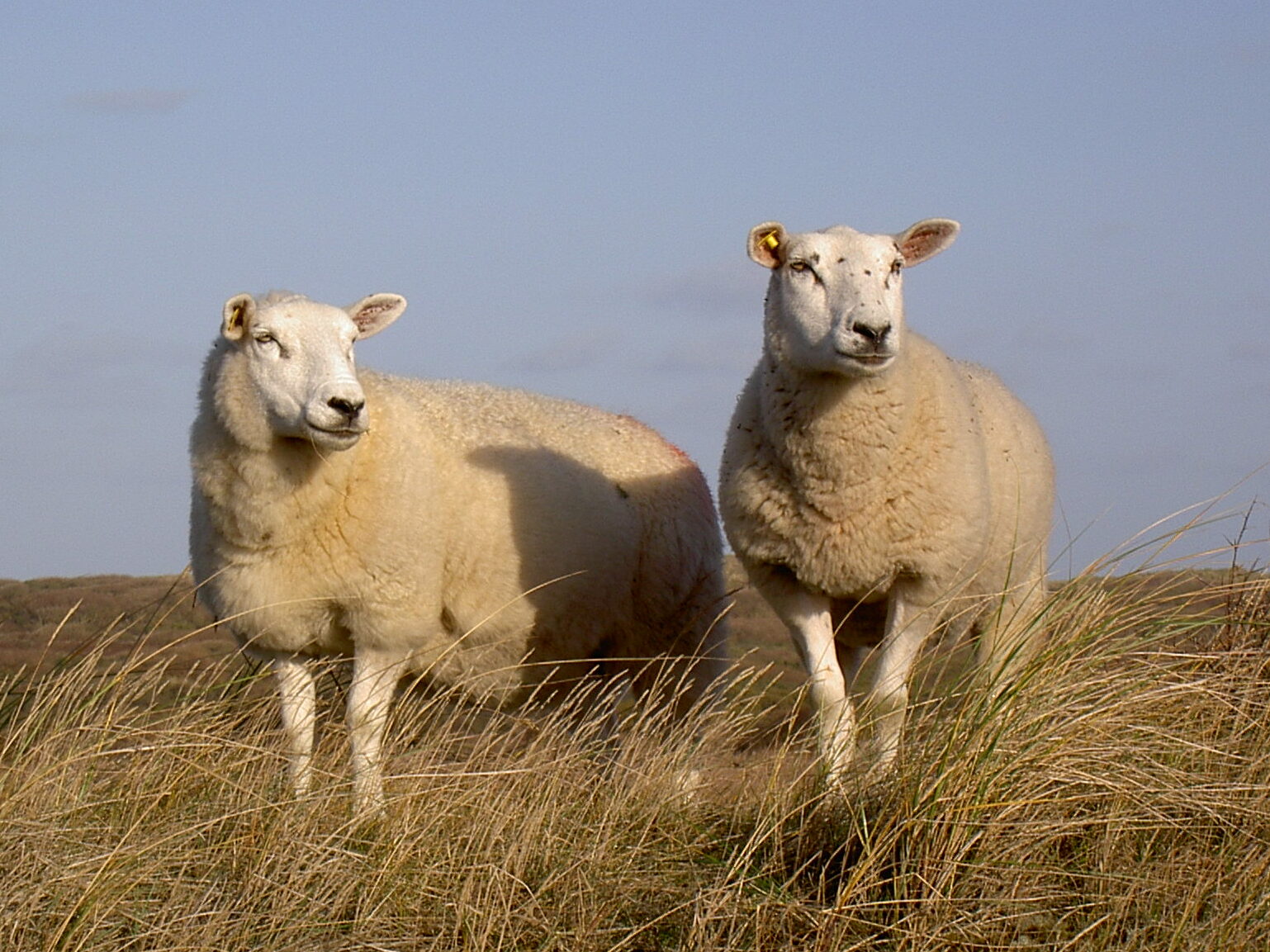 Figure 5: Texel Sheep